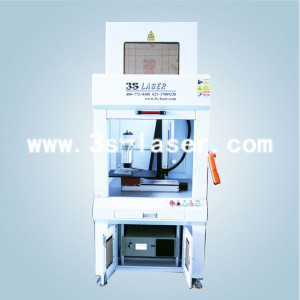
● High-quality welding laser: Imported LD light source and laser PD monitoring ensure stability and reliability during processing.
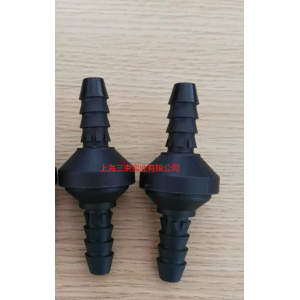
As a welding heat source, lasers offer advantages such as excellent collimation, high beam energy density, a small active area, rapid temperature rise, and rapid condensation. During the welding process, the laser beam is directed to the area to be welded via an optical system composed of optical fibers. When the melt zone heats up, the plastics in the zone melt together. During the subsequent solidification process, the melted materials form new, mutually fused materials, thus connecting the components.
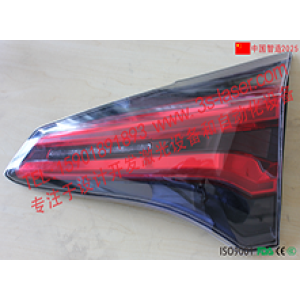
As a heat source for welding, laser has the advantages of excellent collimation, high beam energy density, small action area, fast temperature rise speed, and rapid condensation. During the welding process, the light beam generated by the laser is applied to the area to be welded through an optical path system composed of optical fibers. When the hot melt zone forms a heat effect, the plastics in the hot action zone are melted together. In the subsequent solidification process, the melted materials form new mutually molten materials, thereby connecting the welded parts.
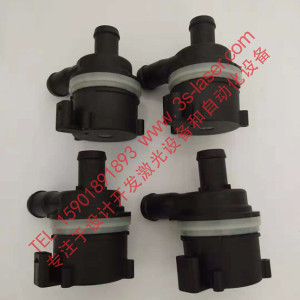
As a welding heat source, lasers offer advantages such as excellent collimation, high beam energy density, a small active area, rapid temperature rise, and rapid condensation. During the welding process, the laser beam is directed to the area to be welded via an optical system composed of optical fibers. When the melt zone heats up, the plastics in the zone melt together. During the subsequent solidification process, the melted materials form new, mutually fused materials, thus connecting the components.